
Choosing Interior Paint Colours and Finishes for Melbourne Homes
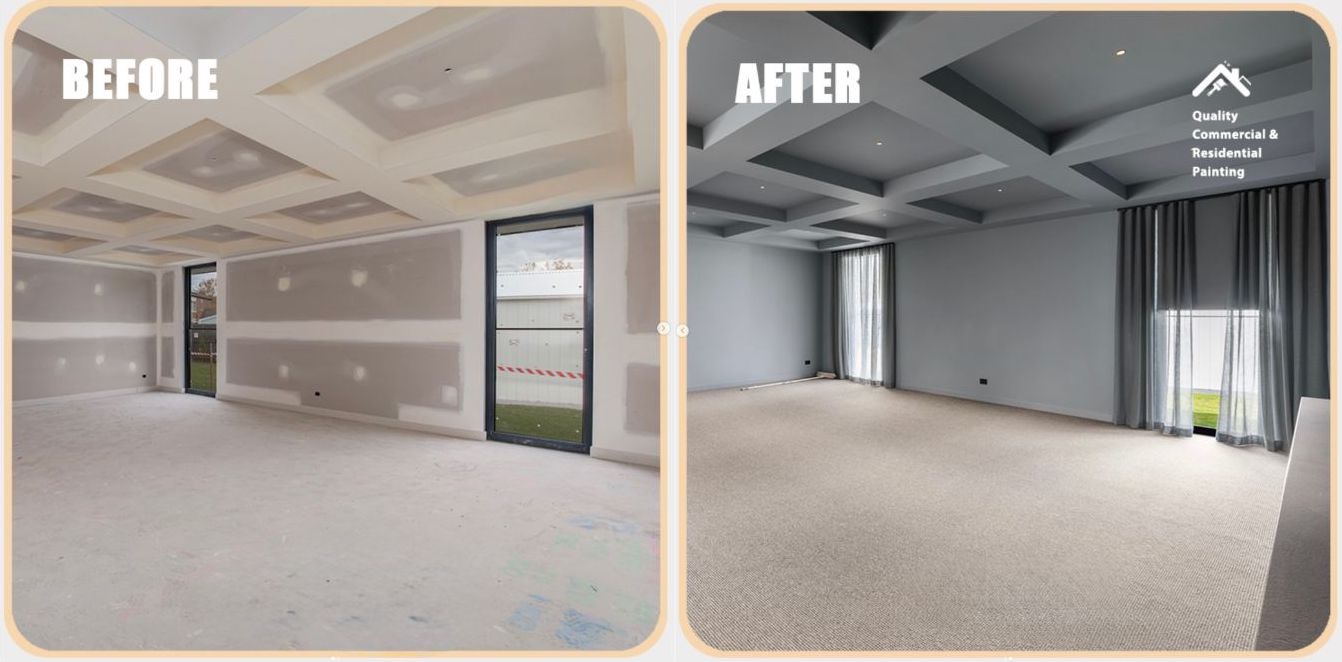
Selecting paint for your home involves much more than choosing a colour that looks appealing on a sample card. The colours and finishes used throughout a property can influence how rooms feel, how well surfaces perform over time, and how effectively the overall design of the home comes together.
With Melbourne homes ranging from period properties and heritage homes through to contemporary builds and modern renovations, choosing the right paint system requires careful consideration. Factors such as natural light, room function, architectural style, and durability requirements all play a role in determining which colours and finishes will deliver the best result.
At Golden Guys Painting, we work with homeowners throughout Melbourne to create interior painting solutions that balance appearance, practicality, and long-term performance. Understanding how colours and finishes work together can help make the decision-making process significantly easier.
Understanding the Difference Between Colour and Finish
When planning an interior painting project, colour and finish should be considered together. While colour influences the visual character of a room, the finish affects how that colour appears on the wall and how well the painted surface performs over time.
A successful interior painting project considers both elements to ensure the finished result is attractive, functional, and suitable for the way each space is used.
The Role of Colour
Colour has a significant impact on the atmosphere of a room. Depending on the tones selected, paint can make a space feel brighter, larger, warmer, or more inviting.
Lighter colours are often used to create a sense of openness and maximise natural light, while darker shades can introduce depth, contrast, and character. The right colour palette can also help create consistency throughout the home while complementing existing furnishings, flooring, and architectural features.
The Role of Paint Finishes
Paint finish, often referred to as sheen, describes how much light a painted surface reflects after it dries.
Different sheen levels affect both appearance and durability. Some finishes create a softer, more subtle look, while others provide greater resistance to wear and are easier to clean.
Choosing the appropriate finish is just as important as selecting the right colour, particularly in areas exposed to moisture, heavy use, or frequent cleaning.
Understanding Low and High-Sheen Finishes
Lower-Sheen Finishes
Lower-sheen finishes are commonly used in areas where aesthetics and comfort are prioritised. Because they reflect less light, they tend to create a softer appearance and can help minimise the visibility of minor wall imperfections.
Benefits of lower-sheen finishes include:
- A smooth and subtle appearance
- Reduced glare from natural and artificial lighting
- Better concealment of minor surface imperfections
- A softer overall feel within the room
These finishes are often selected for living spaces where visual comfort is important.
Higher-Sheen Finishes
Higher-sheen products reflect more light and generally provide a more durable surface.
They are often chosen for areas that experience greater levels of use because they offer:
- Improved durability
- Easier cleaning and maintenance
- Better resistance to marks and scuffs
- Greater suitability for moisture-prone environments
The increased durability of higher-sheen finishes makes them a practical choice for busy households and frequently used areas.
Choosing the Right Finish for Each Room
Different areas of the home experience different levels of wear, moisture exposure, and daily activity. Matching the paint finish to the environment helps ensure painted surfaces remain attractive and functional over time.
Living Rooms and Bedrooms
Living rooms and bedrooms are generally designed around comfort and relaxation. Lower-sheen finishes are often preferred because they create a softer appearance while helping conceal minor imperfections on wall surfaces.
These finishes can contribute to a calm and welcoming atmosphere while complementing a wide range of interior styles.
Hallways, Entryways and Connecting Spaces
Hallways and entry areas often experience higher levels of foot traffic than other parts of the home. Everyday activities can lead to scuffs, fingerprints, and general wear.
A slightly higher sheen can provide additional durability while making painted surfaces easier to clean and maintain.
Kitchens and Bathrooms
Kitchens and bathrooms are exposed to moisture, steam, grease, and regular cleaning. These conditions place greater demands on painted surfaces.
Higher-sheen finishes are commonly recommended because they can:
- Better resist moisture exposure
- Simplify cleaning and maintenance
- Withstand everyday wear more effectively
- Maintain their appearance for longer periods
Laundry Rooms and Utility Areas
Other high-use spaces, such as laundries, can also benefit from more durable paint finishes. Choosing an appropriate finish helps protect surfaces while reducing the likelihood of premature wear.
Avoiding Common Interior Paint Colour Selection Mistakes
Choosing interior paint colours can be more challenging than many homeowners expect. A colour that looks perfect on a sample card may appear quite different once applied across an entire wall, particularly when influenced by natural light, room size, and surrounding finishes.
To achieve a result that works well throughout the home, it is important to avoid some common colour selection mistakes, including:
- Choosing colours based solely on a small sample card
- Assessing colours under artificial lighting only
- Following trends without considering the home's overall style
- Ignoring existing flooring, cabinetry, and furnishings
- Using too many contrasting colours throughout the property
- Skipping sample testing before making a final decision
Taking the time to test colours before making a final decision can help homeowners feel more confident in their selection and reduce the likelihood of unexpected results once painting begins.
Popular Interior Colour Choices in Melbourne Homes
Although colour preferences evolve over time, several palettes continue to remain popular due to their versatility and long-term appeal.
Warm Whites
Warm white shades remain one of the most widely selected options for Melbourne interiors. They provide a bright and clean appearance while maintaining a sense of warmth and comfort.
Greige Tones
Greige combines elements of grey and beige, creating a balanced colour that works well across a wide range of interior styles. Its versatility continues to make it a popular choice among homeowners.
Natural and Earthy Neutrals
Colours inspired by natural materials such as stone, timber, and sand create a relaxed and welcoming environment. These tones often work particularly well in contemporary Australian homes.
Muted Green Tones
Soft green shades have become increasingly popular for homeowners wanting to introduce colour without overwhelming a space.
These colours can create a calm and sophisticated atmosphere while complementing both modern and traditional interiors.
Why Lighting Plays Such an Important Role
One of the most overlooked aspects of colour selection is lighting.
The same paint colour can appear noticeably different depending on the amount of natural light available, the direction the room faces, and the type of artificial lighting used.
For example:
- North-facing rooms often receive warmer natural light
- South-facing rooms can appear cooler and darker
- Smaller rooms may benefit from lighter colours that reflect more light
- Larger spaces can often accommodate deeper or richer tones
Artificial lighting also affects colour perception. Warm lighting may enhance warmer undertones, while cooler lighting can make colours appear sharper or emphasise grey and blue tones.
Testing paint samples throughout the day provides a more accurate understanding of how colours will appear once the project is complete.
Building a Consistent Colour Palette Across Your Home
While each room may serve a different purpose, the overall colour palette should feel connected throughout the property.
A cohesive colour scheme can help:
- Create visual flow between spaces
- Improve consistency throughout the home
- Make room-to-room transitions feel more natural
- Support a balanced interior design
This does not necessarily mean using the same colour everywhere. Many homeowners achieve excellent results by combining neutral base colours with complementary accent tones that introduce variation while maintaining harmony.
A well-planned palette can also contribute to the overall presentation and perceived value of the property.
Why Professional Interior Painting Matters
Choosing colours and finishes is only one part of a successful interior painting project. Proper preparation, product selection, and application all play a critical role in achieving a high-quality result.
Professional painters assess factors such as:
- Surface condition
- Lighting conditions
- Colour compatibility
- Finish suitability
- Long-term durability requirements
This helps ensure the chosen products are appropriate for the space and capable of delivering lasting performance.
Transform Your Home with Golden Guys Painting
Whether you're updating a single room or planning a complete interior repaint, selecting the right colours and finishes can have a significant impact on the final result.
At Golden Guys Painting, we provide professional interior house painting services throughout Melbourne, including Preston, Ascot Vale, and surrounding suburbs. Our team works closely with homeowners to recommend colour schemes, finishes, and painting solutions tailored to each property.
Contact Golden Guys Painting today to arrange a consultation and receive expert advice on creating an interior that is both visually appealing and built to perform for years to come.
Disclaimer
This article is provided free of charge for public information. We do not guarantee, and accept no legal liability for, the accuracy, reliability, currency, or completeness of the content or any linked material. Users should apply their own judgment and verify the material’s relevance to their needs. This article is a general summary and not a substitute for legal or professional advice. Users should seek appropriate advice for their circumstances. Any third-party views expressed do not necessarily reflect ours or imply endorsement.