
Commercial Fridges and Freezers: Understanding the Common Problems
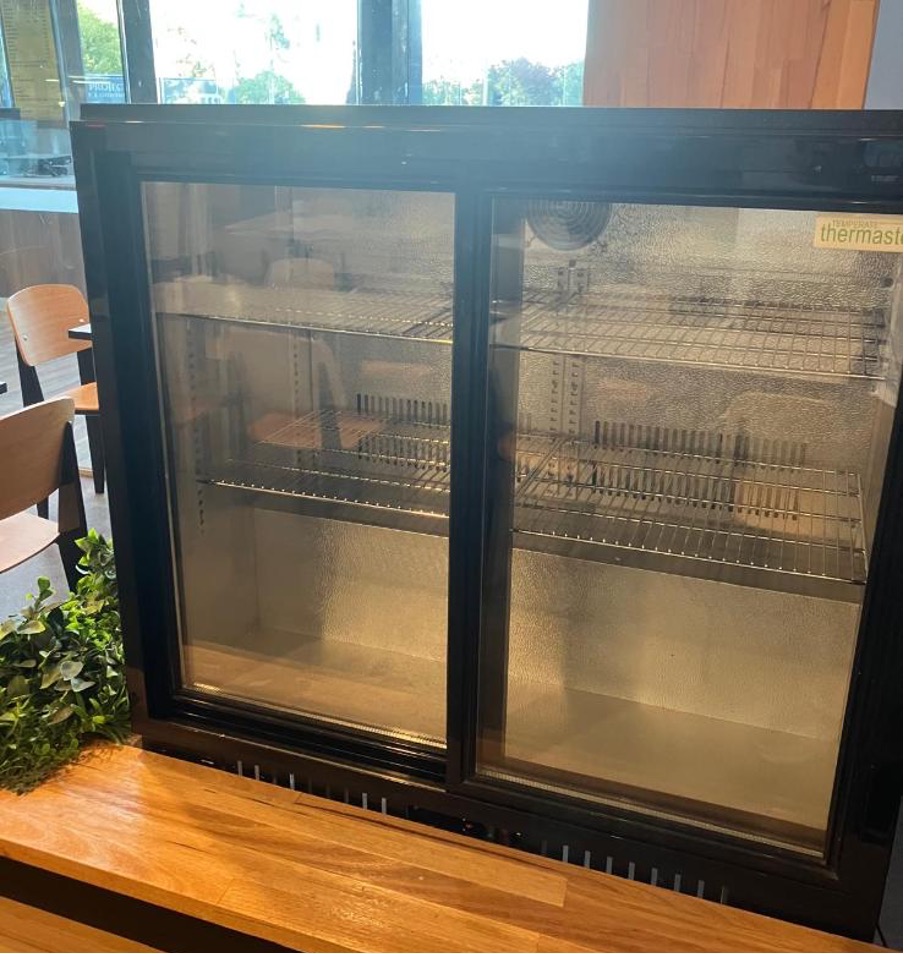
Commercial refrigeration keeps every hospitality business moving. From restaurants and cafés to bars across Melbourne, fridges and freezers operate around the clock to keep food and beverages at safe temperatures while supporting busy kitchen and service operations.
The challenge is that refrigeration issues rarely stay isolated. A minor fault can quickly affect several pieces of equipment, interrupt daily operations, and create food safety concerns if temperatures begin to fluctuate.
Whether it's a walk-in coolroom, bottle cooler, display cabinet, or underbench fridge, recognising the early signs of trouble can help businesses arrange repairs before a small issue develops into an expensive breakdown.
Below, we look at the most common types of commercial refrigeration equipment, the faults they often experience, and why prompt attention is so important.
Walk-In Coolrooms and Commercial Freezers
Walk-in coolrooms and freezers are essential for storing large quantities of food safely. Because they operate continuously, they are placed under constant demand every day.
Common Problems
- Inconsistent temperatures
- Ice accumulation on evaporator coils
- Compressors working harder than normal
- Worn or damaged door seals
- Restricted airflow caused by overcrowded shelving
What Causes These Issues?
In busy commercial kitchens, coolroom doors are opened repeatedly throughout food preparation and service. Every time warm air enters the space, the refrigeration system needs to work harder to restore the correct temperature.
Dirty condenser coils can also reduce efficiency over time, particularly in kitchens where grease, dust, and airborne particles build up quickly.
Why It Matters
Even minor temperature fluctuations can lead to food spoilage, compliance concerns, and unnecessary stock losses. Once a freezer begins struggling under continuous operation, the problem often worsens rapidly.
Glass Chillers and Ice Machines
Glass chillers and ice machines are vital in pubs, bars, restaurants, and entertainment venues where beverage service needs to run smoothly.
Common Problems
- Reduced ice production
- Poor quality or cloudy ice
- Glasses failing to chill properly
- Water supply restrictions
- Scale build-up inside the machine
What Causes These Issues?
Water quality has a significant impact on performance. Mineral deposits can gradually accumulate inside internal components, restricting water flow and reducing efficiency.
Insufficient cleaning is another common cause. Without regular maintenance, filters and internal mechanisms become less effective, affecting overall operation.
Why It Matters
Running short of ice during busy service periods slows staff down and impacts customer experience. Likewise, glass chillers that fail to maintain the correct temperature can affect drink presentation and quality.
Display Cabinets and Cake Display Refrigerators
Display refrigeration combines food preservation with product presentation. These units must keep products at safe temperatures while also showcasing them effectively.
Common Problems
- Uneven temperatures between shelves
- Condensation on glass panels
- Rising temperatures during busy periods
- Air circulation issues
- Worn door seals
What Causes These Issues?
Because display cabinets are positioned in customer areas, they are exposed to warmer environments and frequent door openings.
Poor stock placement can also block airflow, preventing cool air from circulating evenly throughout the cabinet.
Why It Matters
Inconsistent cooling not only affects food safety but also reduces product quality and visual appeal, particularly in cafés, bakeries, and food retailers.
Beverage Coolers and Bottle Fridges
Bottle coolers are heavily relied upon in bars and hospitality venues where drinks need to remain consistently cold throughout service.
Common Problems
- Uneven cooling
- Compressors running continuously
- Ice or frost forming inside the unit
- Incorrect thermostat readings
- Worn door seals
What Causes These Issues?
Frequent door opening introduces warm air, forcing the refrigeration system to cycle more often.
Overloading shelves can also reduce airflow, making it harder for drinks to cool evenly.
Why It Matters
Warm beverages impact customer satisfaction and place additional pressure on staff during peak trading periods. Continuous compressor operation can also increase electricity costs over time.
Underbench Fridges and Bar Refrigeration
Underbench refrigeration helps staff work efficiently by keeping ingredients and drinks within easy reach.
Common Problems
Cooling performance dropping during busy periods
- Water leaks or condensation
- Fan motor failures
- Blocked ventilation
- Compressor overheating
What Causes These Issues?
Many underbench units are installed in confined spaces with limited airflow. During busy service periods, surrounding temperatures rise, making cooling even more difficult.
Poor ventilation causes the refrigeration system to work harder, increasing wear on important components.
Why It Matters
When these units fail during service, staff lose immediate access to stock, creating delays and reducing operational efficiency.
Upright Commercial Refrigerators
Upright refrigerators remain one of the most widely used refrigeration systems in commercial kitchens, providing quick access to ingredients throughout the day.
Common Problems
- Unstable internal temperatures
- Frost build-up
- Damaged door seals
- Compressor overload
- Fan failures
What Causes These Issues?
Repeated opening and closing of doors naturally wears seals over time, allowing cold air to escape.
Condenser coils that haven't been cleaned regularly also force compressors to operate harder than necessary.
Why It Matters
A malfunctioning upright fridge can interrupt food preparation, compromise food safety, and reduce kitchen productivity.
Small Refrigeration Problems Often Become Bigger Ones
Across every type of commercial refrigeration equipment, small warning signs are often the first indication that something is wrong.
Some of the most common symptoms include:
- Slight temperature fluctuations
- Louder than normal compressor or fan noise
- Longer cooling times
- Frost appearing in unusual places
- Minor leaks or condensation
Busy hospitality venues often overlook these issues while focusing on day-to-day operations. Acting early, however, can prevent unexpected equipment failures and expensive emergency repairs.
Preventative Maintenance Helps Reduce Breakdowns
Routine servicing is one of the best ways to improve the reliability and lifespan of commercial refrigeration equipment.
Preventative maintenance typically includes:
- Cleaning condenser coils
- Checking door seals
- Inspecting refrigerant levels
- Testing thermostats and sensors
- Confirming adequate airflow
- Identifying worn components before failure
Regular servicing helps minimise unexpected downtime while improving efficiency and reducing operating costs.
Commercial Fridge and Freezer Repairs Across Melbourne
Refrigeration systems rarely recover on their own once performance begins to decline. In many cases, a small fault is already placing additional strain on the equipment.
At Commercial Kitchens Armiya, we provide professional commercial fridge and freezer repairs for restaurants, cafés, bars, and hospitality venues throughout Melbourne. Our technicians diagnose refrigeration faults quickly, minimise downtime, and help businesses keep their kitchens operating efficiently.
If your commercial refrigeration equipment is no longer maintaining temperature or showing signs of poor performance, contact us to arrange expert commercial refrigeration repairs or schedule a preventative maintenance before a minor issue becomes a major breakdown.
Disclaimer
This article is provided free of charge for public information. We do not guarantee, and accept no legal liability for, the accuracy, reliability, currency, or completeness of the content or any linked material. Users should apply their own judgment and verify the material’s relevance to their needs. This article is a general summary and not a substitute for legal or professional advice. Users should seek appropriate advice for their circumstances. Any third-party views expressed do not necessarily reflect ours or imply endorsement.