
How NCC 2025 Is Reshaping Pipe Lagging Requirements in Melbourne
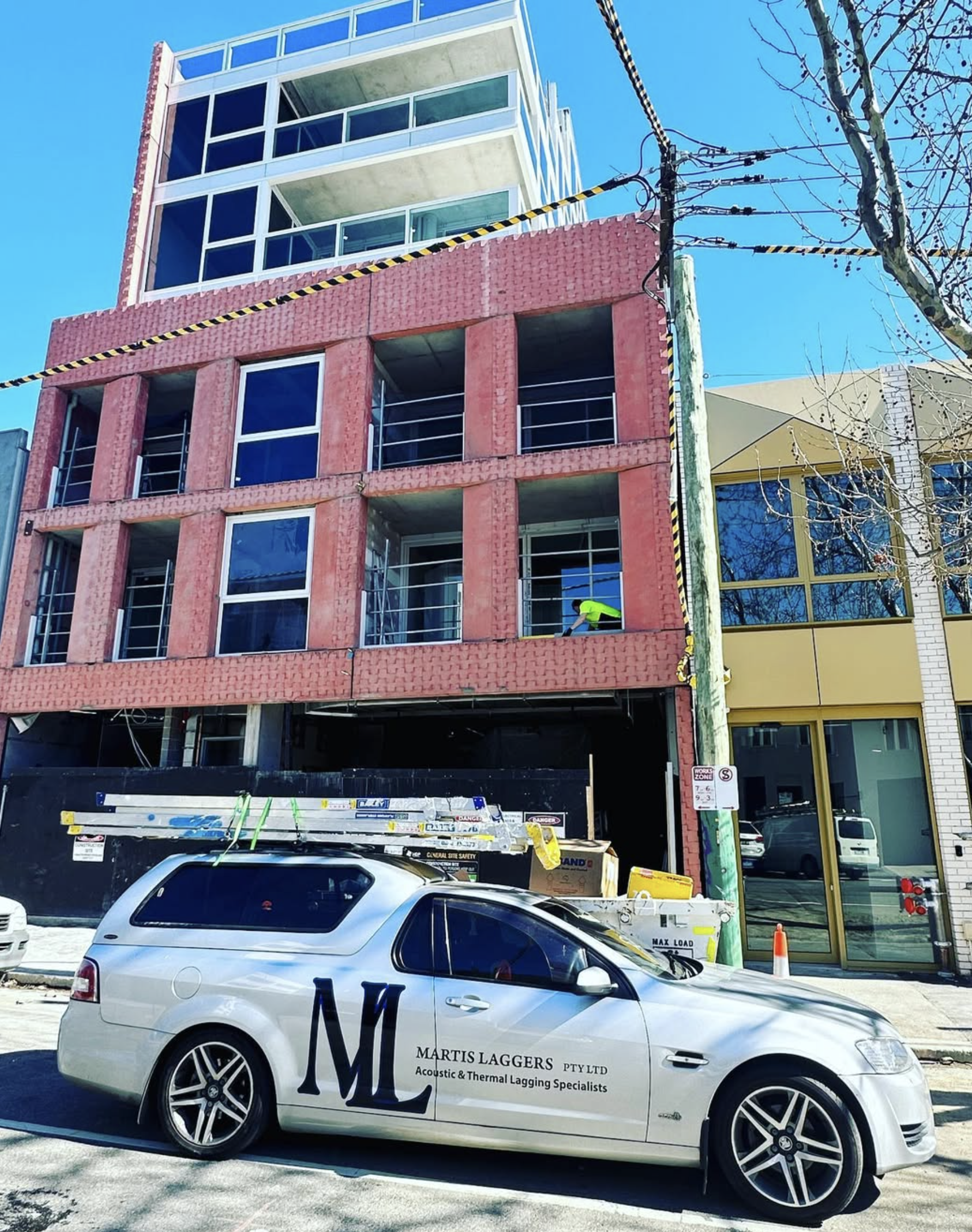
While much of the industry focus has been centred around structural requirements and sustainability targets, pipe lagging is becoming a far more significant part of the discussion. Mechanical insulation now plays a larger role in condensation prevention, thermal efficiency, and reducing compliance risks across commercial and multi-residential developments.
For many years, pipe lagging was often viewed as a secondary trade. Under NCC 2025, that approach is becoming increasingly problematic. Melbourne builders and developers are now placing far greater attention on how insulation systems are specified and installed.
Why NCC 2025 Is Increasing Attention on Pipe Lagging
NCC 2025 places stronger emphasis on areas such as:
- Energy efficiency
- Condensation management
- Mechanical services performance
- Building compliance
- Long-term durability
Pipe lagging itself is not new, but the expectations surrounding mechanical system performance are increasing significantly.
Mechanical services are now receiving more scrutiny across:
- Apartment developments
- Mixed-use projects
- Healthcare facilities
- Commercial buildings with complex HVAC systems
Builders and consultants are increasingly expected to demonstrate that systems will continue operating effectively under real-world conditions, not simply meet minimum installation standards during construction.
Condensation Management Is Becoming a Major Priority
One of the biggest areas impacted by NCC 2025 is condensation control.
As Melbourne construction continues moving toward tighter, more energy-efficient buildings, condensation-related problems are becoming increasingly common due to:
- More airtight building designs
- Higher levels of insulation
- Compact risers and service cavities
- Greater reliance on mechanical ventilation systems
Cold water and chilled water pipework are particularly vulnerable when insulation thickness is incorrectly specified.
When lagging is insufficient, condensation can form on pipe surfaces and eventually cause:
- Ceiling and plaster damage
- Mould growth
- Water ingress issues
- Premature material deterioration
- Expensive rectification works
Under NCC 2025, these risks are attracting much greater attention during both design reviews and inspection stages.
Correct pipe lagging thickness is now essential for maintaining pipe surface temperatures above dew point and protecting surrounding building materials over the long term.
Energy Efficiency Expectations Continue Rising
NCC 2025 also continues pushing the industry toward stronger energy efficiency outcomes.
For mechanical services, this directly affects how insulation systems are designed and specified.
Hot water services, heating systems, and HVAC pipework all depend on properly insulated pipe runs to minimise thermal loss. If insulation thickness is inadequate, systems lose energy far more quickly, increasing operational demand and reducing efficiency.
Across large apartment or commercial projects, these inefficiencies can become significant over time.
This is especially important for developments targeting:
- Higher NABERS ratings
- Sustainable building outcomes
- Lower operating costs
- Improved long-term asset performance
As Melbourne continues prioritising energy-efficient construction, properly specified pipe lagging is becoming increasingly important to overall building performance.
HVAC Systems Are Under Greater Scrutiny
Commercial HVAC systems are another area receiving more attention under NCC 2025.
Melbourne developments are becoming increasingly mechanically complex, particularly across:
- High-rise apartment towers
- Hospitals and healthcare facilities
- Office buildings
- Mixed-use developments
- Large retail environments
These systems often involve extensive chilled water and heating pipework operating across long distances and varying environmental conditions.
Incorrect insulation thickness within these systems can contribute to:
- Condensation build-up
- Reduced thermal efficiency
- Increased plant workload
- Higher energy consumption
- Long-term maintenance problems
As compliance standards continue tightening, HVAC insulation systems require far more detailed specification rather than relying on minimum assumptions.
Pipe Lagging and Cladding Need To Be Considered Together
Another major shift occurring across Melbourne projects is the increasing focus on durability and long-term system protection.
For exposed services, rooftop systems, and external plant areas, insulation alone is often not enough.
Without suitable cladding protection, lagging systems become vulnerable to:
- UV damage
- Moisture penetration
- Mechanical wear
- Reduced lifespan
Under NCC 2025’s broader focus on building durability and performance, lagging and cladding are increasingly being treated as a combined protection system rather than separate trades.
This is particularly important for projects looking to reduce long-term maintenance costs and avoid premature system failures.
Why Early Coordination Is Becoming More Important
Under NCC 2025, vague specifications can create much greater compliance risk because consultants and inspectors are paying closer attention to actual performance outcomes.
Different systems require different insulation approaches depending on:
- Pipe diameter
- Operating temperatures
- Internal or external exposure
- Humidity conditions
- Acoustic requirements
- Plant room or riser environments
As a result, early coordination between builders, consultants, and lagging contractors is becoming increasingly important.
Bringing insulation specialists into projects earlier allows teams to:
- Properly review specifications
- Identify potential performance gaps
- Coordinate space allowances
- Recommend suitable materials and insulation thicknesses
- Reduce compliance risks before installation begins
This proactive approach helps prevent rushed decisions later in construction, where changes often become far more expensive and disruptive.
Preparing Melbourne Projects for Higher Compliance Standards
NCC 2025 is continuing to push the construction industry toward more durable, efficient, and performance-focused buildings. Pipe lagging is now playing a much larger role in helping projects achieve those outcomes.
At Martis Laggers, we work closely with Melbourne builders, developers, and mechanical contractors to ensure pipe lagging systems are properly specified and installed from the beginning — helping projects meet modern compliance standards while reducing unnecessary risk, delays, and costly rework.
Disclaimer
This article is provided free of charge for public information. We do not guarantee, and accept no legal liability for, the accuracy, reliability, currency, or completeness of the content or any linked material. Users should apply their own judgment and verify the material’s relevance to their needs. This article is a general summary and not a substitute for legal or professional advice. Users should seek appropriate advice for their circumstances. Any third-party views expressed do not necessarily reflect ours or imply endorsement.