
Low Taper Fade Flemington: What Makes a Taper Stand Out?
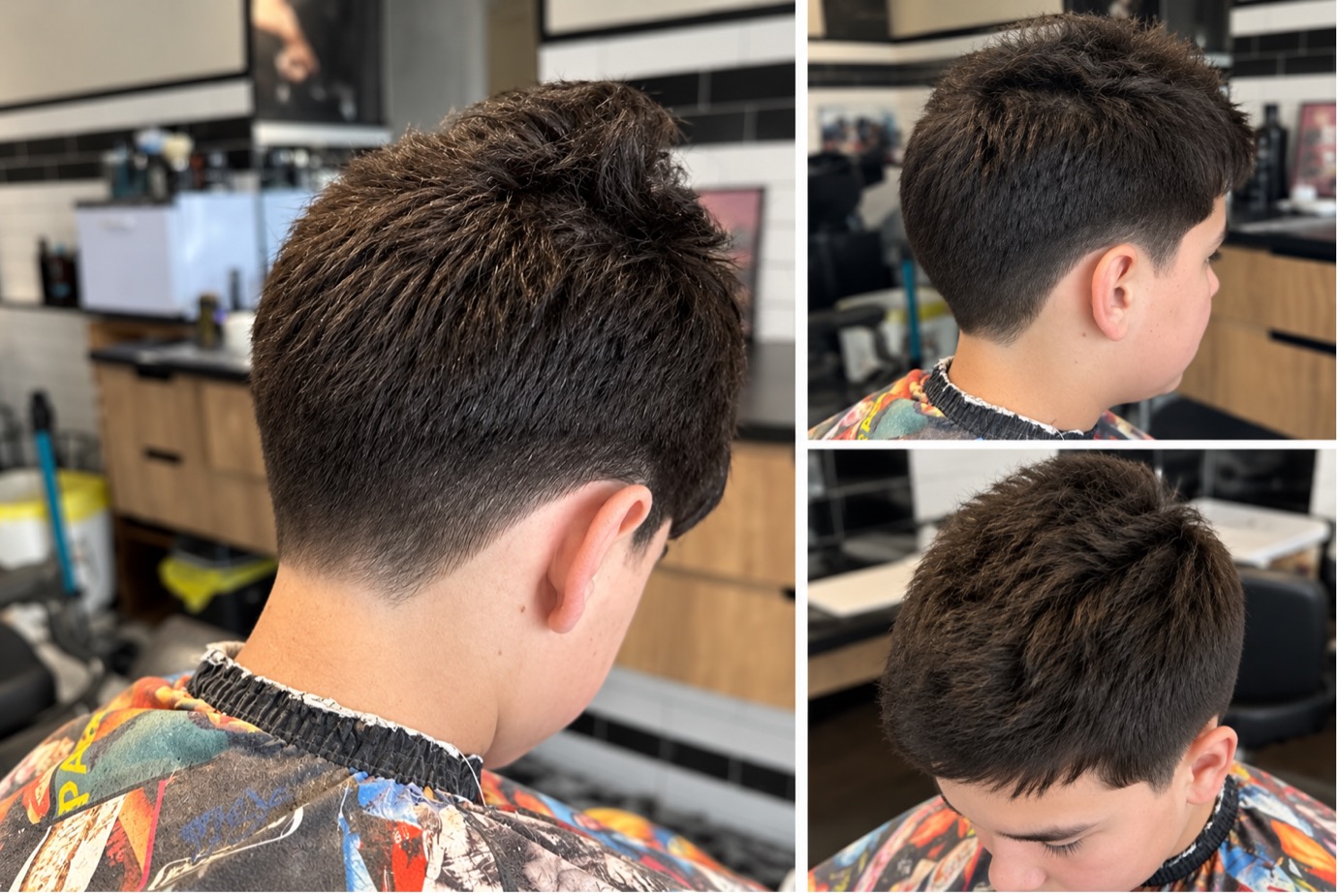
The low taper fade has quickly become a favourite for blokes who want a clean, modern cut but don’t want the sides taken too short.
Once it’s done, it looks effortless. The hair eases shorter around the sideburns and neckline, while the sides and top hold onto most of their length.
That effortless look takes real skill, though. A good low taper is far harder to get right than most people think.
Mistakes show up fast. Take it too high and you’ve got a completely different haircut. Leave too much weight and it looks bulky. Get the blend wrong and lines or patches pop up where they shouldn’t.
From behind the chair, a great low taper is all about patience, control and understanding the hair you’re working with.
If a low taper fade in Flemington is on your list, read on for what it takes to get the cut right.
Low Taper Fade Explained
A low taper fade is a haircut where length reduces gradually across the lower sides and back of the head. The fade is kept low around the sideburns, temples and neckline.
Because the fade doesn’t travel high up the sides, most of the hair stays longer. That gives you a subtle finish that still looks fresh and well kept.
It's a go-to option for blokes who want a sharp, tidy cut without a very short fade running up the sides.
A low taper is versatile and teams up well with:
- Textured crops
- Short back and sides
- Longer textured styles
- Curly or wavy hair
- Quiffs
- Short fringes
- Classic men’s cuts
Pair it with a beard or shorter facial hair and the whole look feels connected.
What Makes a Low Taper Fade Challenging?
This is the bit that surprises most people. With the fade sitting so low, there’s only a small area for the barber to work in.
Each section has to blend seamlessly into the next.
Remove too much around the sideburn and the taper can drift higher than planned. Remove too little and it can look heavy and uneven.
The neckline adds another layer.
Hair at the back of the head grows differently from person to person. Some blokes have a thick, strong neckline. Others have hair growing in several directions, or small patches that need extra care.
An experienced Flemington barber reads all of this while cutting.
That’s why the same low taper request can call for a slightly different approach from one client to the next. The principle stays the same: keep the taper low, keep the blend clean and make the cut suit your overall style.
A Great Cut Starts With the Blend
Whenever we do a taper, a smooth blend is one of our top priorities. From the side, there shouldn’t be any visible steps between lengths.
The change in length needs to be gradual. It sounds simple, yet it takes careful clipper control and a keen eye for detail.
We move through each length with care and keep checking the blend along the way. If a section looks darker, we revisit it. If a line appears, we blend it out.
Rushing has no place here. The finish is what counts.
Every Head of Hair Is Different
Bringing in a photo is always helpful, especially once you’ve found a low taper you like. Your hair, though, may not sit the same way as the hair in that photo.
You might carry more thickness through the sides. Your hair could grow forward, backward or in mixed directions around the ears. There could be a cowlick at the back, or a neckline that sits differently.
That’s when a barber’s experience really shows.
Rather than forcing your hair into a fixed shape, we work with your natural growth and adjust the cut to suit you.
A great taper should look natural on you, never like it’s been copied from a template.
Why Head Shape Matters
Head shape also influences how a low taper looks.
Some blokes have more width through the sides, others have a narrower shape. Some have a more pronounced area at the back of the head.
A good taper respects that shape.
We avoid taking weight from areas that need it, and we avoid leaving extra bulk that makes the cut feel heavy.
It’s a detail you might miss while sitting in the chair, but it becomes obvious once you see the finished haircut.
Balance is always the goal.
The Importance of Sharp Sideburns
Sideburns are a small area with a big impact. On a low taper, they need to transition cleanly into the longer hair above and any facial hair below.
For beard wearers, this matters even more. A sharp taper through the sideburns links your haircut and beard without creating a harsh edge.
For clean-shaven clients, the sideburn is simply tidied and tapered into the haircut.
Either way, it’s a small detail that separates a haircut that’s just okay from one that looks properly finished.
A Neat Neckline Completes the Look
The neckline is another area where attention to detail pays off.
An untidy neckline can make even a fresh haircut look scruffy within days.
With a low taper fade, the neckline should flow naturally into the back of the cut. We remove unnecessary bulk while keeping the shape crisp.
It also needs to match the way your hair grows.
Some blokes have a clearly defined natural neckline. Others have hair that fans out or grows unevenly.
There’s no universal neckline, so we assess the hair in front of us and decide what will give you the cleanest finish.
Pairing a Low Taper Fade With a Beard
A low taper and a beard complement each other well. The taper keeps things neat around the ears and sideburns, while the beard adds definition along the jaw.
With a shorter beard, we blend the sideburn area into the beard to avoid any awkward jump between hair and facial hair.
With a fuller beard, the taper can stay subtle while the beard gets shaped on its own.
What matters most is that it all hangs together. Your haircut, sideburns and beard should read as one look, not three.
Asking for a Low Taper Fade
If a low taper is what you’re after, tell your barber exactly that. A photo makes it even easier.
Show the style of taper you like and explain how much length you want to keep through the sides and top. That gives your barber a clear starting point. From there, we’ll look at your hair and plan how to build the style properly.
Unsure how low to go? Not a problem. Helping you decide is part of the job.
How Often to Book a Low Taper Flemington Cut
One of the best things about a low taper is how naturally it grows out.
With the fade kept low and most of the hair left longer, you don’t need to hurry back as soon as the sides start growing.
Even so, the style looks its cleanest in the first week or two after your cut.
If you prefer a consistently sharp taper, booking in every few weeks helps hold the shape. Your ideal timing comes down to how quickly your hair grows and how neat you like your sides and neckline.
Some blokes stretch it out between visits, while others prefer to keep their edges fresh at all times.
The Difference a Skilled Barber Makes
A photo of a low taper fade gives your barber direction, but it’s only the beginning.
The real craft lies in assessing your hair and knowing how to make the style work for you. A skilled barber understands blending, growth patterns, head shape, weight and proportion. Just as crucially, they know when to stop, which is vital with a low taper.
You can’t simply keep cutting until it looks right. Once too much is gone, it’s gone. That’s why we take our time and check the haircut at every stage. Small adjustments go a long way.
Taper Fade in Flemington
Searching for a low taper fade in Flemington, or a taper fade Kensington locals keep coming back for? Rezz Barber can help you get the clean, sharp finish you want, with clients from Flemington, Kensington and the surrounding suburbs.
Detail is what we do best. Our barbers tailor every taper to your hair, your style and your head shape, so it looks natural and suits you.
Ready for a clean low taper fade? Book online or visit Rezz Barber at Showgrounds Village in Flemington.
Disclaimer
This article is provided free of charge for public information. We do not guarantee, and accept no legal liability for, the accuracy, reliability, currency, or completeness of the content or any linked material. Users should apply their own judgment and verify the material’s relevance to their needs. This article is a general summary and not a substitute for legal or professional advice. Users should seek appropriate advice for their circumstances. Any third-party views expressed do not necessarily reflect ours or imply endorsement.